How to Prepare Surfaces for Painting: The Complete Homeowner Checklist
A fresh coat of paint can transform any room. But even the boldest accent wall or the cleanest ceiling painting job is only as good as the preparation underneath. Ever see paint that peels, cracks, or just looks tired way too soon? It’s usually not the paint’s fault. It’s the prep—or the lack of it.
At Larry Stewart Painting, every project starts with a checklist. Whether you’re tackling a DIY job or planning to bring in pros for cabinet refinishing, stucco painting, or concrete staining, this guide will walk you through every step. Your results depend on it.
Why Surface Preparation Matters
Imagine trying to stick a bandage to dirty skin. Not going to last, right? Paint works the same way. Without the right prep, even the highest-quality paint will struggle to last. Prep protects your investment, helps colors pop, and keeps your surfaces healthy for years.
Quick Safety Checklist 🔧
Before you get started, pause and check these essentials:
- Ventilation: Open windows and doors. Use fans or wear a respirator—especially for paint removal or sanding.
- Protective Gear: Gloves, safety goggles, and masks for dust or fumes.
- Safe Ladder Use: Inspect for stability. Never stand on the top rung.
- Lead Paint Alert: For homes built before 1978, check EPA guidelines for lead paint removal. Only certified pros should handle it.
- Power Tools: Keep cords clear of wet areas. Never use damaged equipment.
A safe job is a smart job.
The Scenario: What Happens Without Proper Prep?
Skipping prep can lead to:
- Peeling paint—like sunburned skin.
- Bubbles and cracks—especially on stucco, concrete, or exterior siding.
- Stains bleeding through, even after multiple coats.
- Mold or mildew growing beneath your fresh finish.
From deck painting to cabinet painting, every surface tells its own story. Prep is how you make sure it’s a good one.
Cleaning: The First (and Most Skipped) Step
Every surface needs a clean slate. Dust, grease, cobwebs, pollen—these all keep paint from sticking.
Interior Surfaces
- Walls and Ceilings: Wipe with a damp sponge and mild detergent. Focus on corners and trim.
- Kitchens/Bathrooms: Use degreasers for cabinets and walls near stoves or sinks.
- Trim and Molding: Dust collects fast. Use a tack cloth or vacuum with a brush attachment.
Exterior Surfaces
- Siding, Decks, Fences: Power washing is best. Remove mold, mildew, and flaking paint.
- Concrete and Stucco: Scrub with a stiff brush and masonry cleaner if needed.
Let everything dry completely before moving on. Painting on damp surfaces is like building a sandcastle at high tide—frustrating and short-lived.
Repairs: Holes, Cracks, and More
A smooth surface is key. Even the best roller painting or spray painting won’t hide dents or holes.
For Walls and Ceilings
- Small Holes: Use lightweight spackle. Smooth with a putty knife.
- Cracks: Fill with joint compound. Let it dry, then sand flat.
- Water Damage: Replace drywall if it’s soft or stained. Mold needs special handling—don’t just paint over it.
For Woodwork
- Nail Holes: Wood filler or putty, then sand smooth.
- Gouges/Scratches: Fill deep marks. Sand and check for evenness.
For Exteriors
- Wood Rot: Cut out damaged areas. Patch or replace.
- Loose Stucco: Chip away, patch with stucco mix, and let cure fully.
Patience pays off here.
Sanding: The Secret to Smooth Results 🏠
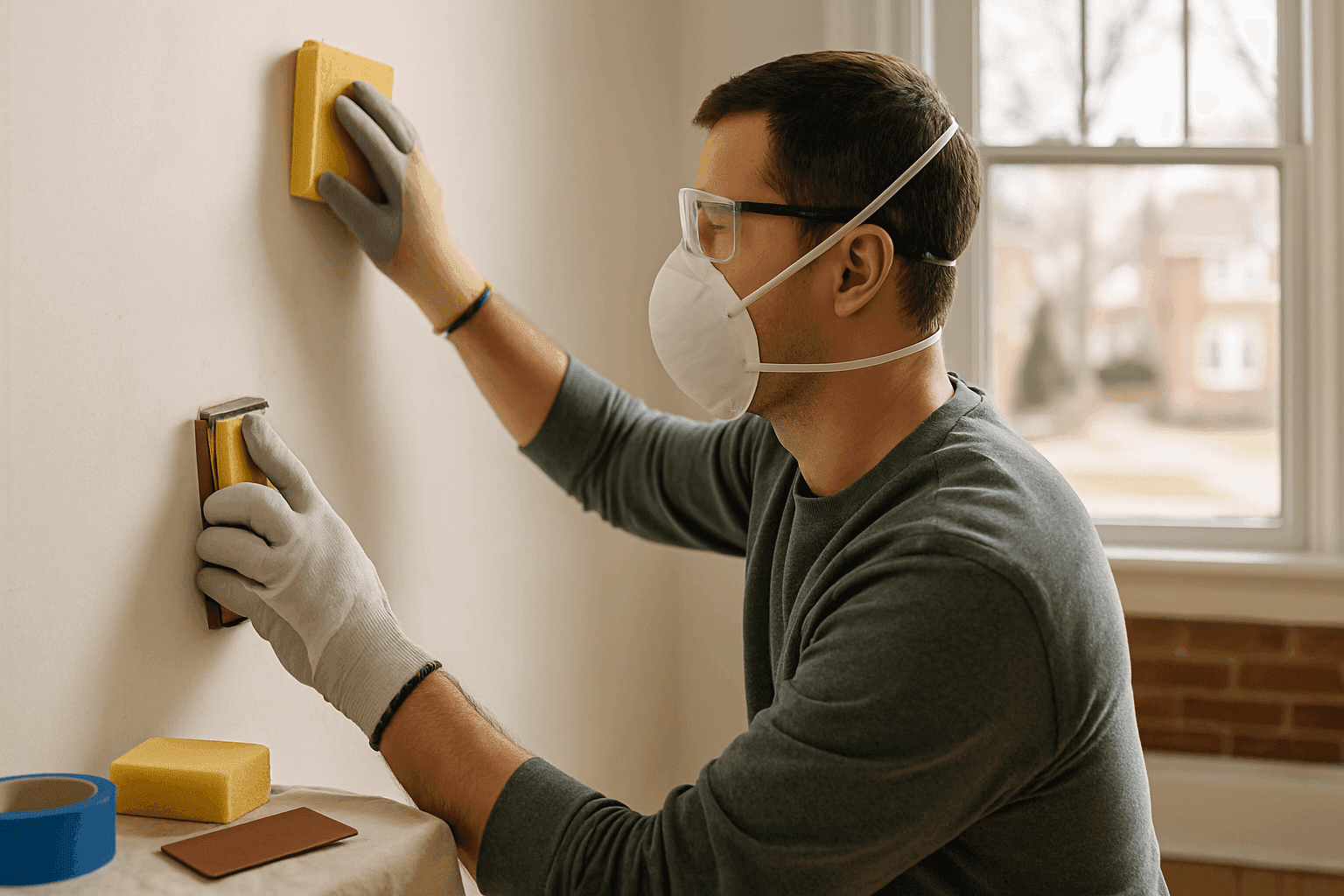
Think of sanding as buffing an old apple to a shine. It doesn’t just smooth things out—it helps paint grip tight.
- Walls: Lightly sand patched areas. Feather edges so you don’t see a ridge under the finish.
- Trim and Doors: Use medium-grit (120–150) sandpaper to de-gloss. Dust off completely.
- Cabinets and Furniture: Sand off old finish if refinishing, or scuff for better adhesion.
- Exteriors: Sand away peeling paint. Don’t forget railings, window sills, or porch posts.
Always wear a mask. Fine dust travels far.
Priming: When and Why It Matters
Primer is the anchor between your surface and the final paint. It hides stains, locks down repairs, and keeps color true.
- Always Prime: Raw drywall, bare wood, patched spots, high-gloss finishes, or surfaces previously painted with oil-based paint.
- Stain-Blocking: For water stains, smoke, or marker, use a specialty primer.
- Masonry and Stucco: Use a masonry primer for best results.
Let primer dry fully, as noted on the can. Don’t rush this step.
Masking and Protecting: Keep It Clean 🎨
Paint loves to wander. Masking is your shield.
- Tape Off: Baseboards, window frames, door hardware, outlets, and switches.
- Drop Cloths: Protect floors, furniture, and landscaping.
- Plastic Sheeting: For cabinets, appliances, or open shelving.
- Remove Fixtures: Take down light fixtures, door knobs, and switch plates if possible.
Good prep means less cleanup and sharper lines.
DIY or Call a Pro?
Some projects are perfect for a Saturday afternoon. Others? Not so much. Here’s how to decide:
- DIY-Friendly: Small accent walls, trim, or single rooms. Basic drywall repair or cabinet painting.
- Call a Pro: High ceilings, lead paint removal, textured finishes, mural painting, or large-scale drywall repair. Exteriors can be tricky—think power washing, surface sealing, or working at heights.
Not sure? A quick color consultation or quote can set you straight.
What Pros Do on Arrival
When Larry Stewart Painting arrives, here’s what you can expect:
- Full walkthrough to spot problem areas—holes, cracks, stains, or moisture.
- Detailed cleaning, including power washing for exteriors.
- Professional repair of drywall, wood, or stucco.
- Sanding every necessary surface.
- Priming with the right product for each material.
- Masking and covering to protect your space.
Every step is methodical. No shortcuts. We treat your home like our own.
Prevention & Maintenance
Good prep isn’t just for painting day—it’s future-proofing.
- Regular Cleaning: Dust walls and trim. Sweep decks and porches.
- Fix Leaks Promptly: Water is paint’s worst enemy.
- Inspect Annually: Look for cracks, peeling, or mildew—especially on exteriors.
Proactive care means fewer surprises down the road.
Costs & Time Factors
Prep takes time, but it’s worth every minute.
- Interior Rooms: Prep can take 2–6 hours for an average bedroom. More for repairs.
- Exteriors: Power washing, scraping, and repairs can take a full day or more.
- Materials: Budget for primer, patching supplies, sandpaper, tape, and drop cloths.
Labor costs increase with surface damage or specialty work (like lead paint removal or textured finishes). Shortcuts may save a few hours but cost much more in the long run.
When It’s an Emergency
Sometimes you can’t wait. Here’s when to act fast:
- Peeling Paint: If it’s widespread, moisture may be getting inside.
- Mold or Mildew: Needs immediate attention—don’t just paint over it.
- Lead Paint: Health hazard, especially for kids and pregnant people. Follow EPA and local guidelines.
- Smoke or Water Damage: These stains need pro attention and possibly repairs.
Safety always comes first. Don’t hesitate to call for help.
FAQ: Your Surface Prep Questions Answered
How clean do surfaces really need to be?
Very. Think “eat-off-it” clean. Dust, grease, and grime can all block paint from sticking.
Do I have to prime every time?
Not always. If you’re repainting a similar color on a previously painted, clean surface, you may skip primer. But for repairs, stains, raw materials, or dramatic color changes, primer is a must.
Can I paint over wallpaper?
It’s possible, but not ideal. Removing wallpaper and prepping the wall underneath gives a much better result.
What about eco-friendly paint options?
Low-VOC and zero-VOC paints are available for most surfaces, including accent walls and ceilings. Ask your supplier or painter for recommendations.
Local and Seasonal Considerations 🌦️
Weather matters, especially for exteriors.
- Humidity: High humidity slows drying and can cause paint to bubble.
- Temperature: Most paints work best between 50°F and 85°F.
- Rain: Surfaces must be dry before painting. Schedule deck staining and exterior painting for dry spells.
- Pollen: In spring, clean exteriors thoroughly before painting. Pollen acts like invisible dust.
Interior work is more flexible, but open windows for ventilation if possible.
Ready for a Flawless Finish?
Surface prep isn’t glamorous, but it’s the backbone of every great painting job. Whether you’re updating trim and molding, tackling concrete staining, or exploring accent walls near you, take your time with these steps. Your walls—and your wallet—will thank you.
Call Larry Stewart Painting now — or reach us anytime at 877-709-1926 .