Accent Walls: How to Pick Colors That Transform Your Space
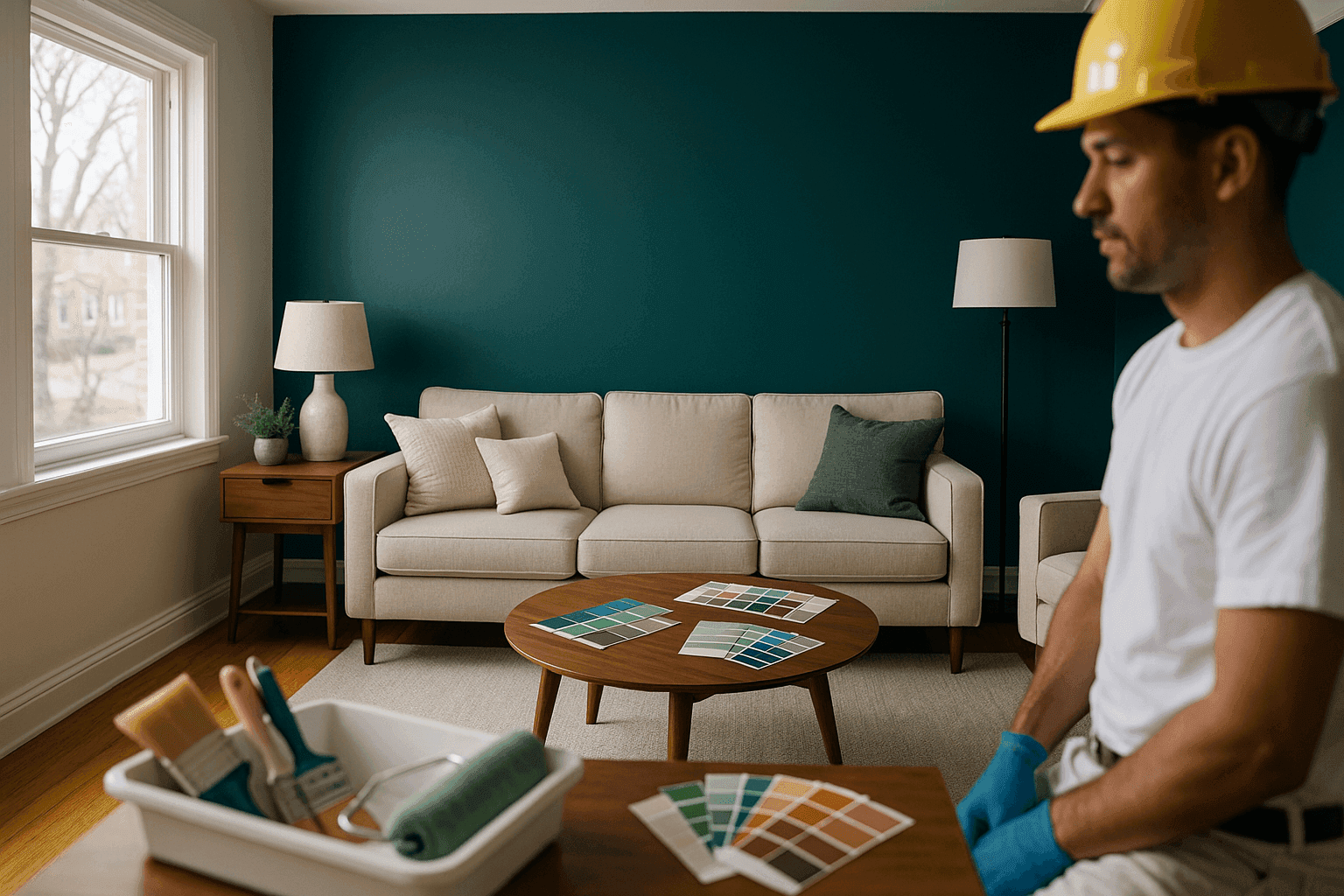
Have you ever walked into a room and felt instantly energized—or totally at ease? It’s not just furniture or lighting. The right accent wall can completely shift the mood of your home. At Larry Stewart Painting, we’ve seen firsthand how the perfect color choice can breathe new life into any space.
Choosing an accent wall color isn’t just about style. It’s about creating a space that reflects who you are and how you want to feel. With so many options, it can be overwhelming. But with the right approach—and a little professional insight—you’ll pick a color that transforms your space for years to come.
Why Accent Walls Matter: More Than Just Paint
An accent wall is like the exclamation point in a sentence. It grabs attention, sets the tone, and pulls everything together. If your room feels flat or uninspired, one bold wall can add just the right amount of drama or warmth.
But it’s easy to get it wrong. Pick a color that’s too harsh, and you might find yourself avoiding the room altogether. Too subtle, and the effect fizzles out. The trick is to balance personality with practicality.
Real-Life Impact
Picture a plain living room—soft beige walls, simple furnishings. Now imagine a deep emerald accent wall behind the couch. Suddenly, the whole space feels intentional. The color anchors the room and gives everything else a sense of purpose.
At Larry Stewart Painting, we’ve helped homeowners turn bland bedrooms into cozy retreats, and outdated dining rooms into statement spaces, all with the right accent wall.
Color Psychology: How Different Hues Shape the Mood 🖌️
Colors aren’t just for looks—they make us feel. Understanding the basics of color psychology helps you pick a shade that matches your personality and the room’s purpose.
- Blue: Calming, cool, and collected. Great for bedrooms or home offices where focus matters.
- Green: Refreshing and natural. Perfect for living spaces where you want balance.
- Yellow: Cheerful and bright. Works well in kitchens or playrooms.
- Red: Bold and energizing. Best for accenting social spaces like dining rooms (but use sparingly).
- Gray: Sophisticated and adaptable. A solid choice for modern or minimalist decors.
Research from the American Psychological Association has shown that color can influence mood, energy, and even appetite. So, don’t just think about what looks good—consider how you want your space to feel.
Pro Tip
If you’re not sure where to start, take a look at what you already love. Are you drawn to cool tones or warm shades? Do you want to feel energized or relaxed? Your gut instinct is often the best guide.
Popular Trends in Accent Wall Colors
Trends come and go, but some color choices have real staying power. Here’s what’s making waves right now in the world of accent walls near you:
- Jewel Tones: Deep, rich colors like sapphire, ruby, and emerald add instant luxury.
- Earthy Hues: Terracotta, olive, and sandy beige bring warmth and connection to nature.
- Moody Neutrals: Charcoal, navy, and taupe offer drama without overwhelming the space.
- Unexpected Pops: Bright corals, teals, or mustard yellow can liven up smaller rooms.
Remember, trends are just starting points. The best accent wall is the one that feels right for you and your home.
Visual Tricks: Make Rooms Look Bigger, Cozier, or More Open
Paint is powerful. With the right color, you can change the way a room feels—without moving a single wall.
- To Make a Room Feel Larger: Choose cooler, lighter shades. Soft blues and greens reflect more light, giving an airy, open vibe.
- To Add Coziness: Go for deeper, warmer tones. Burgundy or deep forest green can make large rooms feel more intimate.
- To Highlight Architecture: Use accent walls to draw attention to built-ins, fireplaces, or unique ceiling features.
- To Define Spaces: In open-concept homes, use different accent wall colors to subtly separate the dining and living areas.
A well-placed accent wall is like a magician’s trick—suddenly, the space feels transformed.
Common Mistakes to Avoid
Accent walls are exciting, but there are some pitfalls to watch out for:
- Choosing the Wrong Wall: Not every wall should be the star. Pick the wall that naturally draws your eye (often the one behind the main piece of furniture).
- Ignoring Lighting: Colors look different in natural versus artificial light. Always test a sample at different times of day.
- Clashing Colors: The accent wall should complement—not compete with—your existing décor.
- Skipping Surface Prep: A bumpy or dirty wall will ruin even the best color choice.
A little planning goes a long way. When in doubt, consult with painting professionals who have an eye for detail.
Quick Safety Checklist for Painting Accent Walls
Before you pick up a brush, make sure you’re painting safely:
- Open windows for proper ventilation.
- Wear protective gear (gloves, mask, safety glasses).
- Cover floors and furniture with drop cloths.
- Check for lead paint if your home was built before 1978 (see EPA guidelines).
- Always follow paint manufacturer instructions for application and drying times.
Painting is rewarding, but safety always comes first.
DIY vs. Call a Pro: What’s Right for You?
Painting an accent wall may seem straightforward. For some, it’s a great weekend project. But there are times when calling in a professional is the better choice.
DIY Might Work If:
- The wall is in good condition, with no cracks or repairs needed.
- You’re comfortable with ladders, tools, and paint.
- You have the time and patience for detailed prep and cleanup.
Call a Pro If:
- The wall needs repair, sanding, or specialty finishes.
- You want textured finishes, murals, or intricate color blocking.
- You’re short on time—or want a flawless result.
Professionals like Larry Stewart Painting bring years of experience, the right tools, and the know-how to handle any challenge that comes up.
What Pros Do On Arrival
When you invite a professional painting crew into your home, here’s what you can expect:
- Thorough Prep: Protecting floors, furniture, and adjacent surfaces. Repairing dents or nail holes.
- Color Consultation: Offering swatches, advice, and real-life examples to help you feel confident in your choice.
- Surface Preparation: Cleaning, sanding, and priming for a perfect finish.
- Precision Application: Crisp lines, even coats, and expert blending.
- Cleanup: Leaving your home spotless, with nothing but a beautiful new accent wall.
A reputable painting business will respect your space and treat your home as their own.
Prevention & Maintenance: Keeping Your Accent Wall Looking Sharp
A fresh accent wall can last for years with a little care:
- Dust regularly: Use a soft, dry cloth or gentle duster.
- Wipe smudges: Clean gently with a damp sponge or cloth—avoid harsh chemicals.
- Touch up nicks: Keep a small container of leftover paint for minor touch-ups.
- Protect from direct sunlight: Fading happens over time, especially with bold colors. Use curtains or shades if possible.
Simple habits will keep your walls looking vibrant year after year.
Costs & Time Factors: What to Expect
Every project is unique, but here’s what typically affects the cost and timeline of painting accent walls near you:
- Wall size: Larger walls need more paint and time.
- Surface condition: Repairs, cleaning, or old wallpaper removal add to the job.
- Type of paint: Premium or specialty finishes (like textured or eco-friendly options) may cost more.
- Complexity: Intricate shapes, multiple colors, or murals require extra skill and attention.
- Prep and cleanup: Proper protection and cleanup factor into both time and price.
Most accent wall projects can be completed in a day or two, but more complex jobs may take longer. For large or specialty projects, allow extra time for prep and drying.
When It’s an Emergency
Sometimes painting can’t wait—like after water damage, fire, or graffiti. If your accent wall needs immediate attention:
- Stop moisture at the source: Repair leaks or structural issues first.
- Ventilate: Prevent mold or mildew by drying out the space completely.
- Consult pros: Professional painters can assess damage, remove stains, and restore surfaces safely.
Quick action makes all the difference, especially when dealing with smoke, mold, or hazardous materials.
FAQ: Your Accent Wall Questions Answered
How do I pick the right wall for an accent color?
Focus on the wall that naturally draws your eye—usually the one behind the bed, sofa, or a focal point like a fireplace.
Will a dark accent wall make my room feel smaller?
Not always! Dark colors can add depth and drama, especially in larger rooms. Pair with lighter adjacent walls for balance.
Can I use wallpaper or textured finishes on my accent wall?
Absolutely. Textured finishes, wallpaper, or even murals are great ways to make your accent wall unique.
How often do accent walls need to be repainted?
Most quality paints last 5–10 years, depending on sunlight exposure and wear. Touch-ups can extend the life even longer.
Local & Seasonal Considerations for Painting
While accent walls can be painted year-round, certain times of year are better for painting projects:
- Spring and Fall: Mild temperatures and lower humidity help paint cure evenly.
- Winter: Indoor painting is fine if your home is warm and ventilated.
- Summer: Watch for high humidity, which can affect drying times.
Always check your local forecast, and follow any local codes or safety guidelines for residential painting. The EPA and local building departments are good resources for safety and compliance information.
Ready to make your space truly yours? A stunning accent wall is a great place to start. Whether you want bold, subtle, or something totally unique, Larry Stewart Painting is here to help you make the right choice—and bring your vision to life.
Call Larry Stewart Painting now — or reach us anytime at 877-709-1926 .