How to Choose the Best Paint Finish for Every Room in Your Home
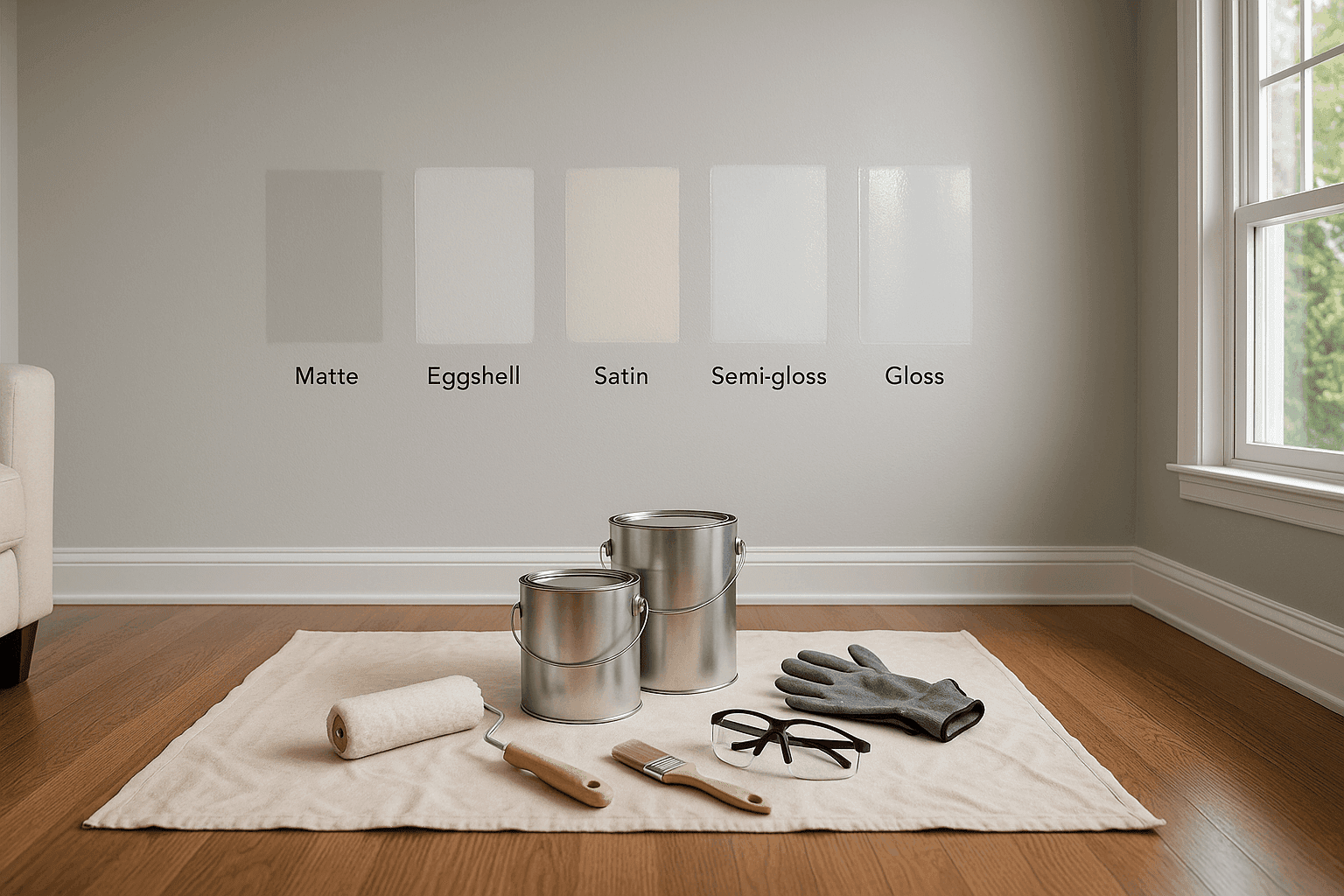
Choosing the right paint finish can turn a plain wall into a statement, a tired kitchen into a cheerful gathering spot, or a scuffed entryway into a fresh welcome. But staring at those tiny paint swatches? It's easy to feel overwhelmed—especially when you want results that last.
At Larry Stewart Painting, we've seen firsthand how the right finish can make your daily cleaning routine easier, hide imperfections, and set just the right mood for each room. Let’s break it down together—so your next painting project feels less like a gamble and more like a win.
Understanding Paint Finishes: The Basics 🎨
Before you pick a color, it’s smart to consider the finish. Think of paint finishes like the fabric of your favorite shirt—some are soft and cozy, others crisp and durable. Here's what you should know:
- Matte (Flat): No shine at all. Hides bumps and cracks but marks easily.
- Eggshell: Slightly velvety, low sheen. A touch more durable than matte.
- Satin: Subtle gloss, more washable. Great for active households.
- Semi-Gloss: Noticeable shine and highly washable. Stands up to moisture.
- Gloss: Super shiny, almost glass-like. Most durable—and most revealing of flaws.
The trick is matching finish to function. Each room has its own personality, traffic level, and cleaning needs. Let’s walk through what works where.
Living Rooms & Bedrooms: Comfort Meets Style
These are your sanctuary spaces. You want color that feels welcoming, not fussy.
Best Finishes for Living Areas
- Matte or Eggshell: Both are forgiving, soft, and cozy. Matte hides little dents and dings, while eggshell adds a whisper of sheen—enough to catch the light but not enough to draw attention to every fingerprint.
- Accent Walls near you: For a wow factor, consider satin or even semi-gloss for a bold accent wall. It reflects more light, making colors pop.
Tip: If your family loves game nights or if you have kids who treat walls like canvas, eggshell or satin strikes the right balance between beauty and cleanability.
Best Finishes for Bedrooms
- Matte: Ideal for low-traffic, restful spaces.
- Eggshell: Adds a gentle glow without being distracting.
If you want to add some personality—mural painting or textured finishes—these work well over matte or eggshell bases.
Kitchens & Bathrooms: Battling Moisture and Messes
Here, you need paint that’s tough as nails and easy to wipe down.
Best Finishes for Kitchens
- Satin or Semi-Gloss: Both resist splashes, grease, and constant cleaning. Semi-gloss is best behind the stove or sink—anywhere messes are routine.
- Cabinet Painting: For cabinets, semi-gloss or gloss finishes offer the best protection from fingerprints and spills.
Tip: For accent walls near you in the kitchen, consider a washable satin for easy cleanup.
Best Finishes for Bathrooms
- Semi-Gloss or Gloss: Moisture is the real enemy. These finishes repel water and resist mildew (especially when combined with bathroom-specific paint).
- Ceiling Painting: Use matte or a moisture-resistant eggshell above showers to avoid peeling.
Important: Always follow EPA guidelines for ventilation and safe paint removal, especially in older homes with possible lead-based paint.
Hallways, Entryways & Kids' Rooms: High Traffic, High Durability
These areas take a beating—think backpacks, shoes, sticky fingers.
Best Finishes for Busy Spaces
- Satin or Semi-Gloss: Easy to scrub, these finishes bounce back after scuffs and smudges.
- Specialty Coatings: Consider specialty coatings for extra protection against stains or graffiti.
Tip: For vibrant accent walls near you in kids’ rooms, use washable satin so creativity doesn’t become a permanent feature.
Dining Rooms & Formal Spaces: A Touch of Drama
Ready to make a statement?
Best Finishes for Elegant Rooms
- Eggshell or Satin: Both offer just enough sheen to reflect candlelight or a chandelier’s glow.
- Textured Finishes: Adds depth and character, especially for formal entertaining spaces.
Remember: Too much gloss in a formal room can make walls feel cold. Balance is key.
Ceilings, Trim, and Doors: Details Matter
Finishes for Ceilings
- Flat/Matte: Hides surface imperfections and keeps attention on the room, not the ceiling. Ideal for most homes.
Finishes for Trim, Moldings, and Doors
- Semi-Gloss or Gloss: Durable and eye-catching. These finishes highlight architectural details and stand up to frequent cleaning.
Tip: For trim and molding painting, gloss is like a crisp white shirt—always appropriate and always striking.
Durability & Cleanability: What to Expect
Not all finishes are created equal. Here’s how they stack up:
- Matte/Flat: Absorbs light, conceals flaws, but stains easily and is harder to clean.
- Eggshell: Slightly more durable, easy to touch up, but not scrub-proof.
- Satin: Washable—good for moderate traffic.
- Semi-Gloss: Stands up to scrubbing, moisture, and regular cleaning.
- Gloss: Most durable, but every bump and brushstroke will show.
For homes with pets, kids, or frequent guests, lean toward satin or higher for walls and always semi-gloss or gloss for trim and cabinets.
Quick Safety Checklist 🛡️
Painting isn’t just about color—it’s about safety, too. Here’s what to keep in mind:
- Ventilation: Always open windows or use fans, especially with solvent-based paints.
- Lead Paint: Homes built before 1978 may have lead-based paint. Follow EPA Renovation, Repair and Painting (RRP) guidelines for safe removal.
- Protective Gear: Wear gloves, goggles, and a mask when sanding, scraping, or spraying.
- Child & Pet Safety: Keep kids and pets out of freshly painted areas until surfaces are dry.
Following these steps helps ensure a safer, healthier home.
DIY or Call a Pro?
Rolling up your sleeves can be rewarding. But not every job is a weekend project.
When DIY Makes Sense
- Repainting a small accent wall near you.
- Touching up matte or eggshell surfaces.
- Painting furniture or a single piece of trim.
When to Call Larry Stewart Painting
- Large, high-traffic, or moisture-prone areas (kitchens, bathrooms, exteriors).
- Lead paint removal, textured finishes, or specialty coatings.
- Projects involving high ceilings, drywall repair, or mural painting.
Tip: Professionals have access to commercial-grade tools, eco-friendly paint options, and up-to-date safety protocols that make a difference in both finish quality and your peace of mind.
What Pros Do On Arrival
When you invite Larry Stewart Painting into your home, here’s what you can expect:
- Thorough Surface Preparation: Cleaning, patching, sanding, and priming for a smooth base—whether it’s concrete staining, fence painting, or interior walls.
- Color Consultation: We help you choose the right finish and color for each room’s purpose and style.
- Efficient, Neat Work: From roller painting to spray painting, we keep your home clean and disruption to a minimum.
- Attention to Detail: Crisp lines, even coats, and careful protection of your furniture and floors.
Prevention & Maintenance
Paint isn’t just for looks—it’s your home’s armor. Here’s how to keep it in shape:
- Regular Cleaning: Use a damp, non-abrasive cloth on satin, semi-gloss, or gloss finishes.
- Touch-Up as Needed: Keep leftover paint for quick fixes after scuffs or dings.
- Address Moisture Fast: In bathrooms and kitchens, fix leaks quickly to prevent peeling or mildew.
- Seasonal Inspections: Look for signs of wear, especially on exterior surfaces, decks, and fences.
Costs & Time Factors
No two painting projects are identical, but here’s what affects the budget and schedule:
- Room Size: Larger rooms take more paint and time.
- Surface Condition: More prep (like drywall repair or paint removal) means more labor.
- Number of Coats: Darker colors or major color changes may require extra coats.
- Finish Selection: Glossy or specialty finishes may cost more and take longer to apply.
- Weather: For exterior painting, temperature and humidity can impact drying times.
For most residential painting near you, allow 1–3 days per room, depending on scope.
When It’s an Emergency
Some paint problems can’t wait:
- Peeling Paint: Especially in bathrooms or kitchens—could signal a leak or mold.
- Lead Paint Exposure: Immediate action needed. Refer to EPA guidelines.
- Graffiti or Vandalism: Fast professional removal prevents stains from setting.
If you notice sudden bubbling, odors, or discoloration, call a professional right away.
FAQ: Common Paint Finish Questions
Q: Can I use the same finish throughout my whole house?
You can, but it’s not always practical. High-traffic or wet areas need more durable, washable finishes.
Q: What’s the best finish for accent walls near me?
Satin or semi-gloss makes colors stand out and is easy to clean.
Q: How do I know if my walls have lead paint?
If your home was built before 1978, have a certified pro test for lead before sanding or scraping.
Q: How long should I wait before cleaning freshly painted walls?
Wait at least two weeks before scrubbing—give the paint time to cure fully.
Local & Seasonal Considerations
Paint behaves differently in different seasons. In cold, damp months, drying times stretch out. High humidity can cause streaks or slow curing—especially in bathrooms, kitchens, or basements.
Tip: For exterior and deck painting, spring and fall offer the best balance of temperature and humidity.
Conclusion: Balance Style, Practicality, and Maintenance
The perfect paint finish brings out the best in every room. It highlights your style, stands up to life’s messes, and makes cleaning a breeze. With so many options—from matte for cozy bedrooms to gloss for busy kitchens—the choice is yours.
If you’re unsure, Larry Stewart Painting is ready to share decades of real-world painting experience, tailored to your home and your needs.
Call Larry Stewart Painting now — or reach us anytime at 877-709-1926 .