Wallpaper Removal: What to Know Before You DIY
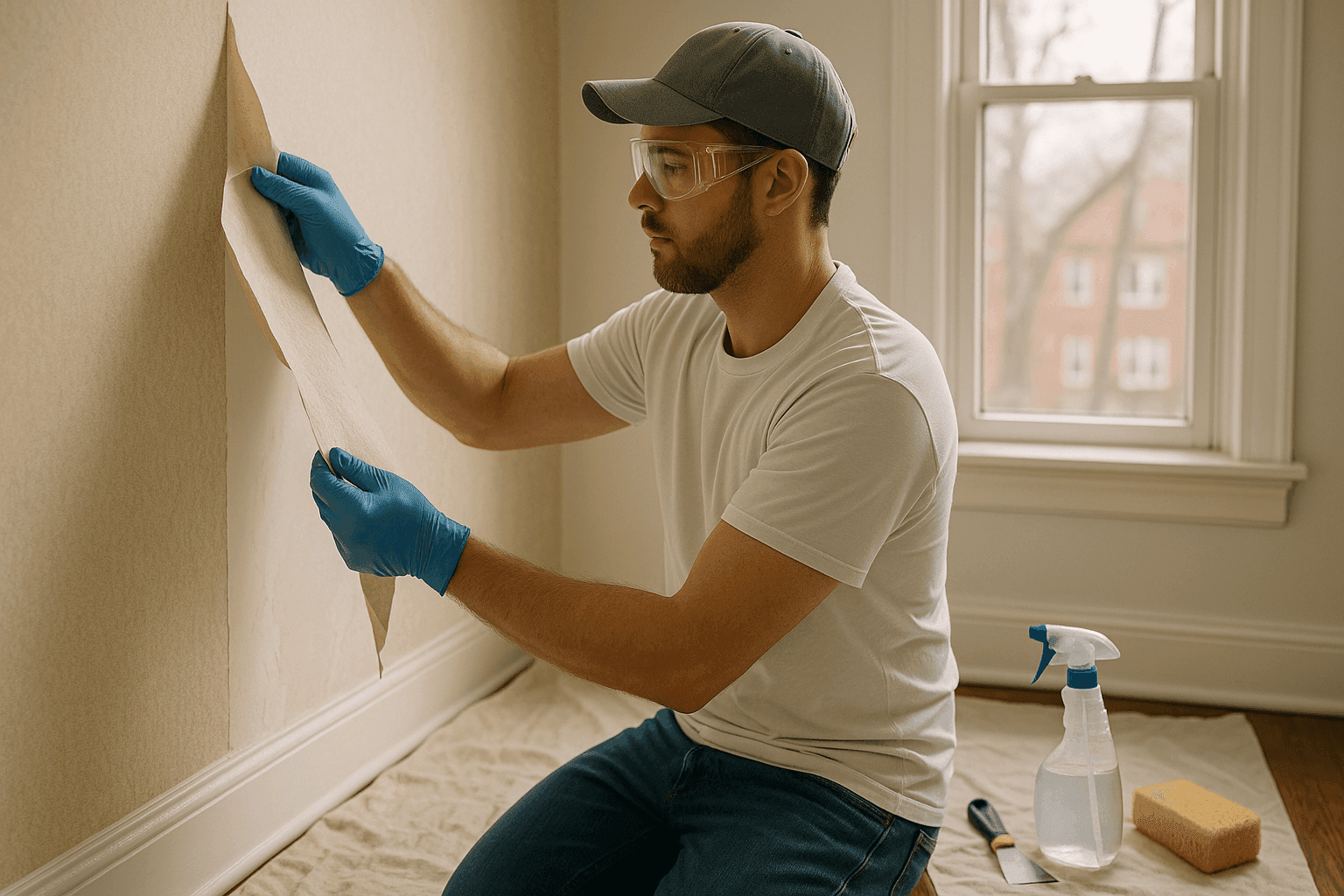
Peeling off old wallpaper sounds simple. But halfway through, the job can turn sticky—literally and figuratively. If you've ever tried your hand at removing wallpaper, you know it can quickly shift from satisfying to stressful.
At Larry Stewart Painting, we’ve seen every kind of wall: smooth, stubborn, even secretly hiding surprises. Here’s what you need to know before you go full DIY on that accent wall, and how to avoid turning a weekend project into a month-long headache.
Why Wallpaper Removal Gets Tricky
Walls tell stories. Sometimes, they mumble—old adhesives, layers of paint, or wallpaper glued right onto drywall. Each of these can make removal tougher. What starts as a quick refresh for your living room can grow into days of scraping and patching.
Moisture trapped behind wallpaper can also lead to mold. If your home is older, there may even be a risk of lead paint underneath. What looks like an easy peel could reveal much more.
Quick Safety Checklist 🛡️
Before you jump in, take a minute. Safety isn’t just a nice-to-have—it’s essential. Here's what needs to be in place:
- Ventilation: Open windows and doors. Use fans to move air.
- Protective gear: Wear gloves, long sleeves, and safety goggles.
- Mask: Especially if you suspect lead paint or mold.
- Power Off: Turn off electricity to outlets in the area—water and wires don’t mix.
- Floor protection: Lay down drop cloths to catch falling debris and sticky paste.
- Test for lead: If your home was built before 1978, use a lead test kit on paint under the wallpaper (per EPA guidelines).
- First aid kit: Keep it nearby—scrapers are sharp.
- Ladder safety: Make sure yours is sturdy and set up on even ground.
DIY or Call a Pro?
If you’re tackling a single wall with modern wallpaper, you might be fine. But ask yourself:
- Is the wallpaper older than 20 years?
- Are there multiple layers?
- Is the wall textured or uneven?
- Do you see signs of mold or water damage?
If you answer "yes" more than once, consider calling in professionals. Wallpaper removal can get complicated, and mistakes mean more work (and cost) down the line. Removing wallpaper from drywall, for example, can easily lead to gouges or torn paper if you rush or use the wrong tools.
Step-by-Step: The Removal Process
1. Prep the Room
- Move furniture away from walls.
- Remove outlet covers and switch plates.
- Tape off baseboards and trim.
- Cover floors with plastic or canvas.
2. Score the Wallpaper
Use a wallpaper scoring tool to gently perforate the paper. Think of it like poking tiny holes so water or remover can seep in.
3. Apply a Remover
You have two main options:
- Steam: Rent or purchase a wallpaper steamer. It loosens glue with warm vapor but beware—steam can damage delicate walls.
- Chemical remover: Mix a solution of wallpaper remover or even a DIY blend (warm water and a dash of vinegar often works). Sponge it on liberally.
Let it soak for 10–15 minutes. Patience is your friend here.
4. Peel and Scrape
Start at a seam or corner. Use a putty knife or scraper, but go slowly—think buttering toast, not chiseling ice.
If you hit a stubborn patch, reapply remover. Don’t force it.
5. Clean the Wall
Once paper and glue are gone, wash the wall with warm water and a mild detergent. Let it dry fully before painting or patching.
Wall Repairs After Removal
Stripped wallpaper often reveals scars: tiny tears, dings, even gouges. Here’s what to do:
- For small tears: Use spackle or joint compound. Smooth with a putty knife, let dry, then sand.
- For larger damage: You may need to patch and sand more extensively.
- Prime the wall: Always prime before painting or applying new wallpaper. It seals the surface and prevents future headaches.
If you spot stains or dark patches, check for mold. Mold isn’t just unsightly—it can be a health risk. Refer to CDC guidelines for proper removal, or call a pro.
What Pros Do On Arrival
Larry Stewart Painting teams come prepared for surprises. Here’s what a visit looks like:
- Inspect walls for hidden issues (mold, lead, water damage).
- Protect your floors, trim, and outlets.
- Test a small area to determine the safest removal method.
- Use professional-grade steamers and removers.
- Handle repairs—patching, sanding, and priming—so walls are paint-ready.
- Dispose of debris safely.
We spot trouble before it becomes a problem. That’s the difference between a weekend project and a wall you’ll love for years.
Prevention & Maintenance
Once your wallpaper is gone and your walls are fresh, don’t let history repeat itself.
- Use high-quality primer before painting or papering again.
- For accent walls near you, consider modern, removable wallpaper options.
- Address leaks or moisture problems right away.
- Keep an eye out for peeling or bubbling—early signs of trouble.
Costs & Time Factors ⏳
Wallpaper removal can take a few hours—or several days. Here’s what affects the timeline:
- Size of project: One wall, a whole room, or the entire house.
- Layers: Single vs. multiple wallpaper layers.
- Wall condition: Painted, textured, plaster, or drywall.
- Removal method: Steam is slower, but often safer for old walls. Chemicals can speed things up, but require ventilation.
Costs depend on labor, materials, and how much repair is needed afterward. DIY saves on labor, but factor in tool rental, remover solution, and your own time.
When It’s an Emergency
Some situations can’t wait:
- Visible mold growth: This isn’t just a cosmetic issue. Mold spores are hazardous, especially for children, elderly, or those with allergies.
- Lead paint: If you find layers of paint beneath your wallpaper that test positive for lead, stop immediately. The EPA recommends hiring a certified lead paint removal specialist.
- Major wall damage: Large holes, crumbling drywall, or water damage require pro repair before painting.
Don’t risk your health or your home’s structure. Know your limits.
FAQ
Q: Can I paint over wallpaper instead of removing it?
A: Sometimes, but it’s risky. Paint can cause wallpaper to bubble or peel. Removal is usually better for a lasting result.
Q: What if there are multiple wallpaper layers?
A: You’ll need more patience—and possibly stronger remover or steam. Sometimes, two or even three rounds of scoring and soaking are required.
Q: Is it safe to use a steamer on all walls?
A: Steamers are great, but not for every surface. Plaster and older drywall can be damaged by too much moisture or heat.
Q: Do I need to wash the walls after removing wallpaper?
A: Yes. Old adhesive left behind can ruin new paint or wallpaper. Wash with warm, soapy water and let dry completely.
Local/Seasonal Considerations
Humidity plays a big role in wallpaper removal. High moisture in the air can slow drying and even promote mold. In summer, open windows and use fans to help dry the walls. In winter, keep the heat on but watch for condensation.
If you’re planning to paint soon after removal, check the forecast. Dry, mild days are best for letting walls cure between steps.
Ready to refresh your space? Call Larry Stewart Painting now — or reach us anytime at 877-709-1926 .