The Ultimate Guide to Eco-Friendly Paint Options for Your Home
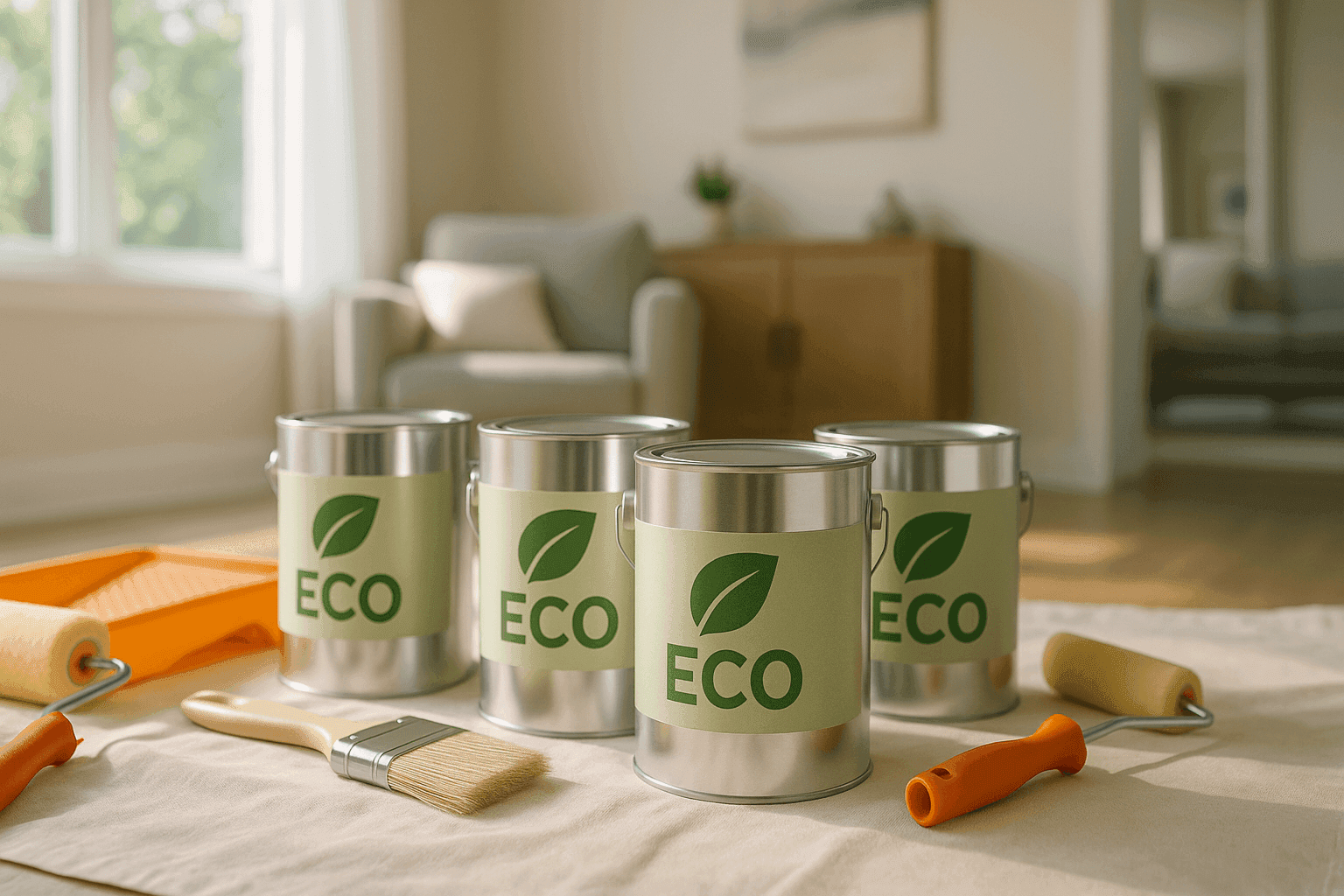
Are you dreaming of a fresh look for your living room or those accent walls near you, but worried about the fumes and chemicals that come with painting? You’re not alone. For families with kids, pets, or anyone sensitive to air quality, the paint you choose matters a whole lot—sometimes even more than the color.
At Larry Stewart Painting, we meet homeowners every week who want gorgeous finishes but also peace of mind. Let’s walk through how you can make your home beautiful and healthy, starting with the paint can itself.
Why Eco-Friendly Paint Matters
Imagine your home as a set of lungs. Every can of paint you open fills that space with invisible ingredients. Traditional paints often release volatile organic compounds (VOCs) that linger in the air. These can trigger allergies, headaches, and even long-term health risks. But eco-friendly paints? They’re more like a breath of fresh mountain air after a summer rain—safe, refreshing, and clean.
Low-VOC and non-toxic paints help protect not just your family and pets, but the environment too. Choosing the right option can turn a simple project like cabinet painting or ceiling painting into a smart investment in your home’s well-being.
What Makes Paint Eco-Friendly? 🌱
There’s no magic paintbrush that guarantees a product is green. Instead, look for:
- Low or Zero VOCs: VOCs are chemicals that evaporate at room temperature, contributing to smog and indoor pollution. The lower, the better.
- Non-toxic Ingredients: Watch for natural pigments, plant oils, and water-based formulas.
- Third-Party Certifications: Labels like GreenGuard, Green Seal, or EcoLabel signal higher standards.
- Minimal Additives: Fewer preservatives and plasticizers mean a safer product.
The U.S. Environmental Protection Agency (EPA) and the American Lung Association both recommend low-VOC paints for healthier indoor air.
Types of Green Paints
Not all “green” paints fit every project. Here’s a quick breakdown of what’s out there:
- Low-VOC Paints: Most major brands now offer low-VOC lines suitable for everything from textured finishes to garage floor painting.
- Zero-VOC Paints: These have less than 5 grams of VOCs per liter. Ideal for bedrooms, nurseries, or anywhere your family spends lots of time.
- Natural Paints: Made from clay, chalk, milk protein, or plant dyes. These work well on accent walls or furniture painting but may require special surface preparation.
- Recycled Paints: Manufactured from unused portions of other paint, reducing landfill waste.
- Eco-Friendly Primers: Don’t forget the base coat—primers also come in low-VOC formulas!
How to Read Eco-Friendly Paint Labels
Paint labels can feel like a foreign language. Here’s how to break it down:
- Look for VOC content listed in grams per liter (g/L). Under 50g/L is considered low.
- Check for third-party seals. GreenGuard, Green Seal, and EcoLabel all confirm more stringent testing.
- Scan the ingredient list. Water-based is usually safer than solvent-based.
- Beware of “greenwashing.” Just because the label says “eco” or “natural” doesn’t mean it meets strict standards. Look for evidence, not just buzzwords.
Quick Safety Checklist Before You Paint 🏡
- Open windows and doors for airflow.
- Cover floors and furniture with drop cloths.
- Keep pets and kids out of the work area.
- Wear gloves and, if needed, a mask.
- Store unused paint safely out of reach.
- Dispose of rags and brushes according to local regulations.
DIY vs. Call a Pro for Eco-Friendly Painting
Rolling up your sleeves can be rewarding, but eco-friendly painting has its own quirks:
DIY Pros:
- Full control over materials.
- Satisfaction of a job well done.
DIY Cons:
- Surface preparation is key—miss a step and even the best paint won’t last.
- Natural paints can behave differently than traditional ones.
- Lead paint removal or drywall repair requires safety skills.
When in doubt—especially for large projects like stucco painting or industrial painting—professional painters bring knowledge, proper tools, and safe disposal practices.
What Pros Do On Arrival
When our team shows up for a cabinet refinishing or concrete staining job, we:
- Assess the space for ventilation and potential hazards.
- Recommend the right eco-friendly paint for the surface.
- Prep with eco-safe cleaners and surface sealing.
- Apply paint in thin, even coats for best results.
- Clean up using low-impact methods and dispose of any waste responsibly.
Following Occupational Safety and Health Administration (OSHA) guidelines ensures everyone’s safety, every time.
Tips for the Best Results with Green Paints
Eco-friendly paints are different. Here’s how to get the finish you want:
- Use a high-quality brush or roller designed for water-based paints.
- Stir paint gently—avoid shaking, which can introduce bubbles.
- Apply in thin coats, letting each layer dry completely.
- For textured finishes or specialty coatings, ask your supplier for recommended techniques.
- Don’t rush the drying process, especially if humidity is high.
Prevention & Maintenance
Choosing the right paint is just the first step. Keep your home healthy by:
- Regularly dusting and wiping painted surfaces.
- Touching up chips and scratches with leftover paint.
- Scheduling periodic power washing for exterior surfaces.
- Sealing decks and fences every 2–3 years for lasting protection.
- Watching for signs of mildew or peeling—early action saves the finish.
Costs & Time Factors
Eco-friendly paints sometimes cost a little more up front, but they pay off in the long run. Here’s what affects your investment:
- Type of Paint: Natural and zero-VOC paints tend to cost more than low-VOC or recycled options.
- Surface Prep: More prep means higher cost and longer timelines.
- Project Size: Accent walls near you may be quick, while whole-house interior painting takes time.
- Drying Time: Water-based paints dry faster, but natural paints may need extra hours before recoating.
Expect to spend a bit more for cabinet painting or mural painting with premium eco paints—but the improved air quality and safety are worth every penny.
When It’s an Emergency
Some situations can’t wait:
- Peeling or bubbling paint in homes built before 1978 could mean lead paint—call for professional lead paint removal right away.
- Strong chemical odors or headaches after painting? Air out the area and consult a pro.
- Mold or mildew stains? These need fast, safe remediation before painting resumes.
Your family’s safety is always the top priority.
FAQ: Eco-Friendly Paints
Q: Will eco-friendly paints cover as well as regular paints?
A: Most modern low-VOC and zero-VOC paints offer excellent coverage, but natural paints may need extra coats. Always check the manufacturer’s instructions.
Q: Are eco-friendly paints safe for kids’ rooms and nurseries?
A: Yes, especially those certified by GreenGuard or Green Seal. Allow proper drying time before moving furniture back.
Q: Can I get bold colors with sustainable paints?
A: Yes! Many brands now offer deep, rich colors—even for accent walls or trim and molding painting.
Q: How do I clean up after using eco-friendly paint?
A: Most water-based paints clean up with soap and water. Follow local disposal rules for leftover paint and supplies.
Local and Seasonal Painting Considerations
Paint behaves differently with the seasons. In summer, eco-friendly paints dry quickly but may need more ventilation. Winter projects, like interior wall or ceiling painting, benefit from low-emission paints since windows might stay closed.
In humid climates, always check for mildew-resistant formulas. For exterior projects, plan around rain—eco paints need time to cure before getting wet.
Ready for a Safer, Greener Home?
A healthy home is a happy home. Choosing eco-friendly paints isn’t just a trend—it’s a smart, lasting investment for your family and the planet.
Call Larry Stewart Painting now — or reach us anytime at 877-709-1926 .