Deck Staining Mistakes to Avoid for Lasting Results
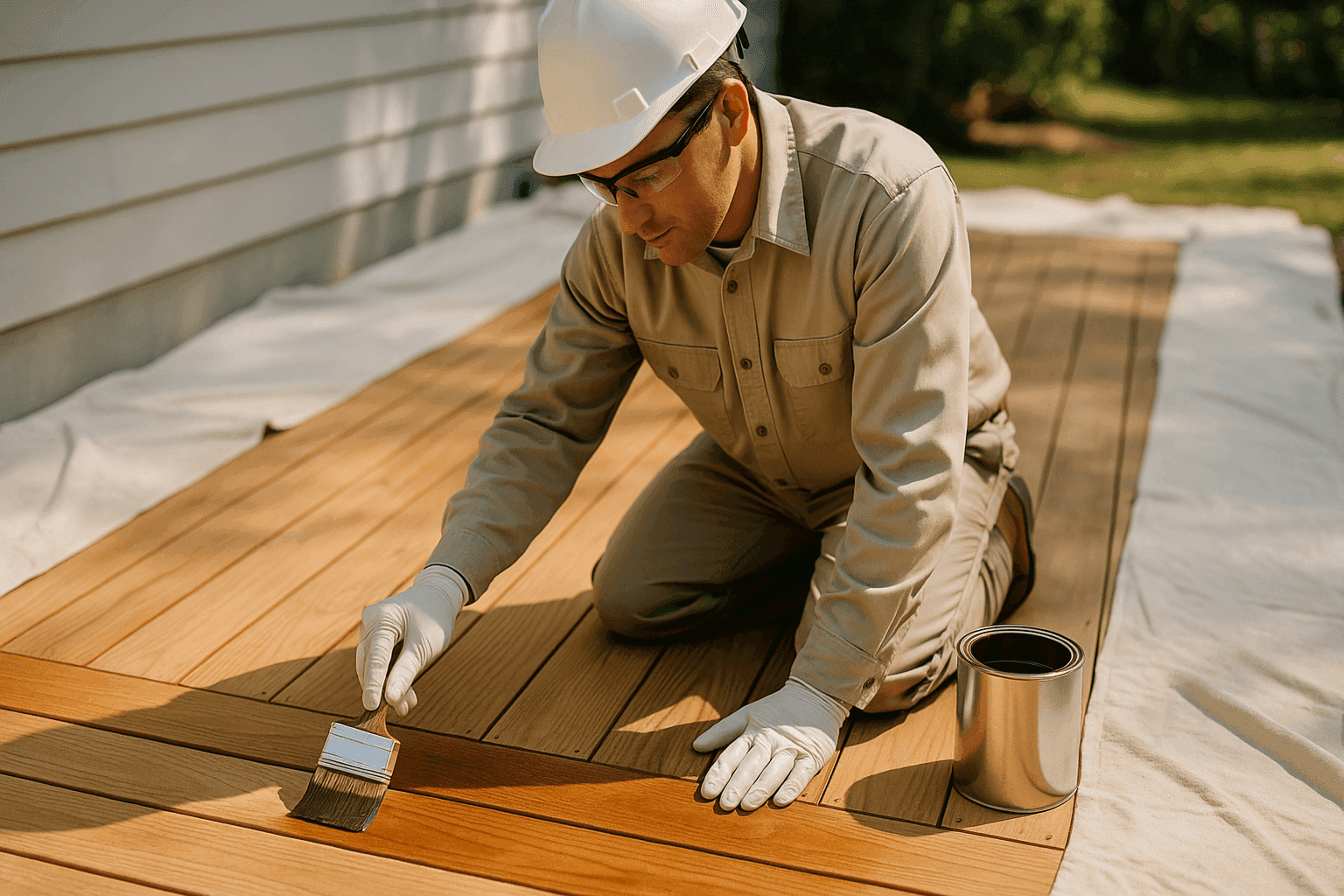
Is your deck looking tired? You’re not alone. Every season, homeowners roll up their sleeves with good intentions—only to face peeling, patchy stains months later. At Larry Stewart Painting, we’ve seen what works (and what doesn’t) for decks of every size and wood type. The right approach means more than color; it’s about protection, beauty, and a finish that stands up to sun, rain, and backyard barbecues.
Let’s break down the big mistakes that trip up even the most careful DIYers. With a little know-how, you’ll avoid wasted weekends and keep your deck in top shape.
The Most Common Deck Staining Mistakes
Deck staining seems simple, right? Just brush it on and let it dry? Not quite. Many homeowners run into issues because they rush the job or overlook key steps. Here’s what we see most often:
- Skipping prep work—like painting a mural on a dusty wall, the stain just won’t stick.
- Staining after a rainstorm or in blazing sun—weather matters more than you think.
- Forgetting to clean the deck first—trapped dirt and mildew ruin the finish.
- Using too much stain—more isn’t better; it’s a recipe for sticky, blotchy boards.
- Neglecting maintenance—one coat won’t last forever.
Let’s tackle these, one by one.
Quick Safety Checklist 🛠️
Before you start, make sure you’re set up for a safe, smooth job:
- Wear gloves and eye protection—stains can irritate skin and eyes.
- Use a dust mask, especially if sanding or removing old finishes.
- Check for loose boards or exposed nails—repair these first.
- Read the stain manufacturer’s label for ventilation and disposal tips.
- If lead-based paint is suspected (in decks built before 1978), follow EPA’s Renovate Right guidelines.
Safety isn’t just a box to check—it protects you and your family for the long haul.
DIY vs. Call a Pro
Wondering if this is a weekend project or a job for professionals? Here’s a quick way to decide:
When DIY Makes Sense
- The deck is under 200 square feet.
- Boards are in good shape—no major rot or repairs.
- You have time to clean, prep, and apply stain in the right weather window.
When to Call Larry Stewart Painting
- The deck is large, multi-level, or has detailed railings.
- You spot mold, mildew, or old peeling paint that needs removal.
- There’s past water damage or warping.
- You want specialty finishes, such as eco-friendly stains, textured finishes, or color consultation.
Professional painters know how to get full coverage without over-applying. We also spot issues before they become expensive repairs.
What Pros Do On Arrival
Ever watched a pro painter get to work? There’s a method to the magic:
- Inspection: We check for loose boards, nails, and signs of rot.
- Thorough Cleaning: Pressure washing (at the right PSI) removes grime, algae, and old stain. No shortcuts.
- Surface Prep: Sanding rough spots, filling cracks, and taping off trim. Skipped prep equals poor results.
- Weather Check: We look at humidity and forecasted rain. Stain needs dry wood and 24–48 hours of dry weather.
- Stain Application: Even, thin coats—never puddling or flooding the wood. Brushes, rollers, or sprayers are chosen based on the deck’s shape.
- Cleanup: Protecting nearby plants and cleaning up tools properly.
We use best practices outlined by industry authorities like the PDCA (Painting Contractors Association) and product recommendations from stain manufacturers.
Prevention & Maintenance
A well-stained deck is like a raincoat for your wood. Maintain it, and it’ll last for years.
Regular Upkeep:
- Sweep debris weekly to prevent mildew.
- Rinse off spills quickly—especially after BBQs.
- Inspect yearly for faded or peeling spots and touch up as needed.
- Re-stain every 2–3 years, or sooner if the wood absorbs water instead of beading it.
Don’t Forget:
- Clear leaves and dirt from between boards to prevent moisture buildup.
- Move furniture occasionally to avoid uneven fading.
- Use protective pads under grills and planters.
Maintenance is the secret ingredient to long-lasting curb appeal.
Costs & Time Factors
Deck staining costs and project time can swing widely, depending on size and condition.
- Time: A small, well-maintained deck can be cleaned, prepped, and stained in a weekend. Older or larger decks—especially those needing repairs—may take several days, including drying time between coats.
- Costs: Expect to budget for cleaning supplies, sandpaper, stain, brushes, and safety gear. Specialty stains or eco-friendly options may cost more, but offer better durability or environmental benefits.
Trying to rush the job? That’s when mistakes happen. Allow drying time between cleaning, prepping, and staining for the best results.
When It’s an Emergency
Not all deck problems can wait. Call for help if:
- Boards are soft, spongy, or sagging—signs of rot or serious water damage.
- You spot widespread mold or mildew that doesn’t clean up easily.
- Old lead-based paint is peeling (decks built before 1978)—this requires special handling under EPA guidelines.
- There’s a recent fire or storm damage.
Delaying repairs can make problems worse—and more expensive to fix.
FAQ: Deck Staining Edition
How soon after rain can I stain my deck?
Wait until the deck is completely dry—typically 24–48 hours, depending on humidity.
Can I use a pressure washer?
Yes, but use the right pressure setting (usually under 1500 PSI) and keep the nozzle moving to avoid gouging the wood.
What’s the best temperature for staining?
Most stains work best between 50°F and 80°F. Avoid direct sun and high humidity.
Why is my stain peeling after one season?
Most often, it’s because of poor prep, staining damp wood, or over-applying product.
Local & Seasonal Considerations 🍂
Where you live, and the time of year, matter—a lot.
- After Winter: Snow, ice, and salt can stress wood. Inspect every spring for damage.
- After Storms: Check for standing water and debris. Prompt cleaning prevents mildew.
- Summer Heat: Stain early in the day or in the evening, not under midday sun.
- Fall Prep: If you stain in fall, finish at least a month before freezing weather.
Humidity, temperature swings, and sun exposure all affect how well your stain sets and lasts. When in doubt, check the manufacturer’s recommendations and local weather data.
A beautiful, long-lasting deck starts with the right steps and a sharp eye for detail. If you’re unsure where to start, need a color consultation, or want a flawless finish without the stress, the team at Larry Stewart Painting is here to help.
Call Larry Stewart Painting now — or reach us anytime at 877-709-1926 .