Ceiling Painting: Pro Tips for a Flawless, Streak-Free Finish
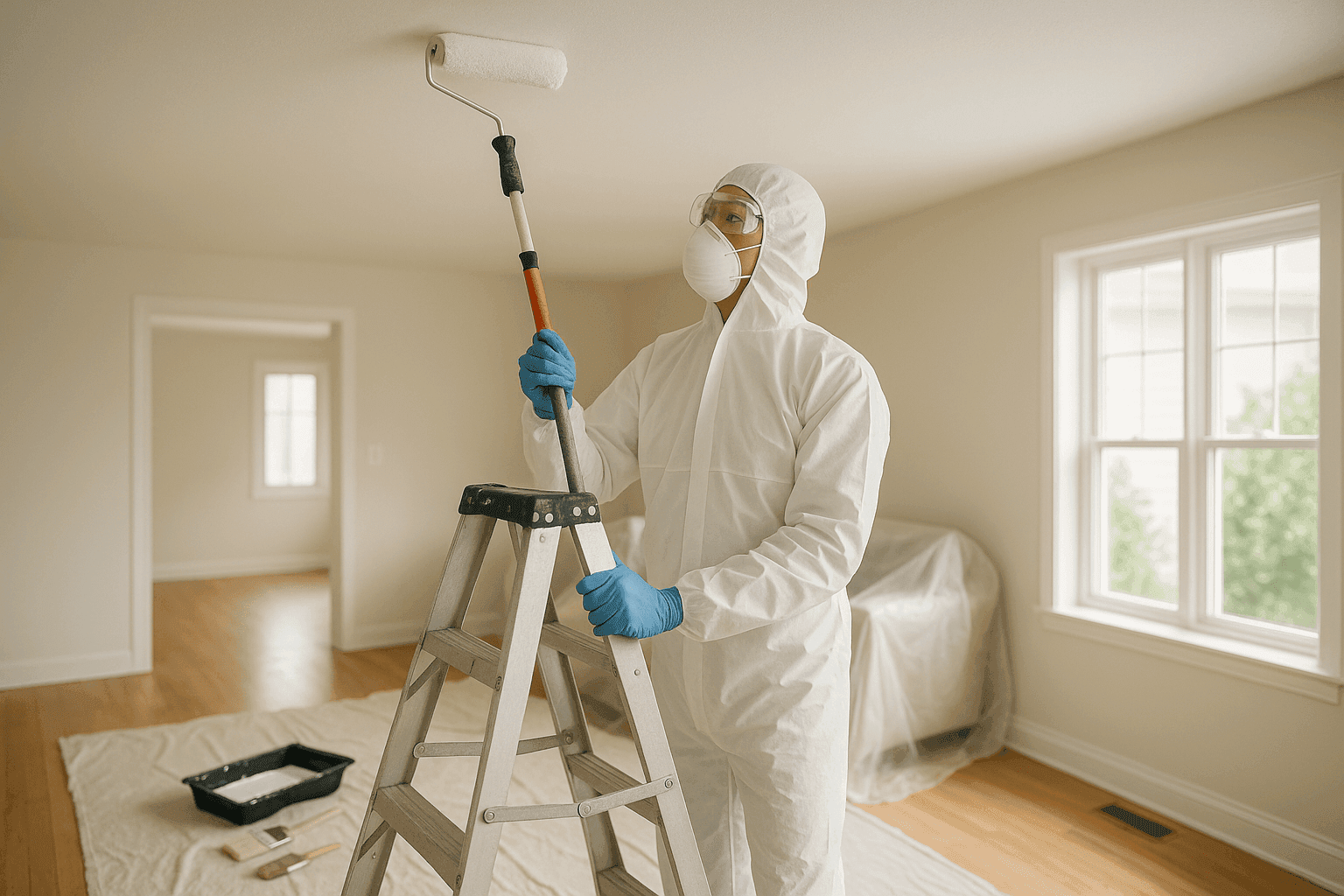
Painting a ceiling can feel like holding an umbrella in a rainstorm—awkward, messy, and frustrating if you don’t have the right plan. Few household projects show mistakes as clearly as a poorly painted ceiling. Drips, streaks, and lap marks glare down at you, day after day.
At Larry Stewart Painting, we’ve seen it all. Whether you’re tackling stubborn stains or just freshening up tired surfaces, our team knows what it takes to get that flawless, cloud-like finish. Let’s break down how to paint your ceiling right—the first time.
Why Ceilings Are Tricky (and Why They Matter)
It’s tempting to treat ceilings as “out of sight, out of mind.” But they’re the fifth wall of every room. A well-painted ceiling brightens a space, hides old stains, and gives the whole area a crisp, finished look.
But unlike Accent Walls near you, ceilings are overhead. Gravity works against you. Paint can drip, streak, or dry unevenly. And if you miss a spot, it shows. That’s why good prep and solid technique matter so much.
Quick Safety Checklist Before You Start 🛑
Painting above your head isn’t just awkward—it can be risky. Take these precautions before you dip a brush:
- Clear the room when possible, or cover furniture with plastic sheeting.
- Lay drop cloths to catch splatters.
- Use a sturdy, non-slip ladder or telescoping extension pole.
- Wear safety glasses and a hat to shield your eyes and hair.
- Make sure the room is well-ventilated (open windows or run a fan).
- If your home was built before 1978, test for lead paint. (See the EPA Lead Renovation, Repair and Painting Rule for more info.)
- Never overload your roller with paint—less mess, more control.
DIY or Call a Pro? Knowing Your Limits
You don’t need to be Picasso to paint a ceiling, but a steady hand and some patience help. If you’re tackling small rooms or simple touch-ups, DIY can work well. But ceilings higher than 10 feet, extensive stains, textured surfaces, or lead paint are best left to professionals.
Consider calling Larry Stewart Painting if:
- The ceiling has water damage or mold.
- There’s extensive cracking, peeling, or flaking.
- You want specialty finishes, like textured patterns or mural painting.
- You’re sensitive to paint fumes and want eco-friendly paint options.
What Pros Do When They Arrive
Before any paint touches the ceiling, preparation is king. Here’s a look inside our process at Larry Stewart Painting:
Surface Prep: The Foundation
- Inspect for stains, cracks, or water damage.
- Patch holes and repair drywall as needed.
- Clean the surface using a mild detergent or power washing (for exterior ceilings).
- Prime stains—especially water marks—with a stain-blocking primer.
- Sand lightly to ensure a smooth surface.
- Remove or cover light fixtures and vents.
- Tape around the edges to protect walls and trim.
Choosing the Right Paint and Tools
- Flat or matte ceiling paint hides imperfections best—avoid glossy finishes overhead.
- Quality roller covers (1/2"–3/4" nap for textured ceilings; 3/8" for smooth surfaces).
- Extension poles keep you safe and comfortable—no more juggling ladders.
- Angled brush for cutting in edges and corners.
- For ceilings with stains or repairs, a dedicated stain-blocking primer is a must.
Application: Painting in Sections
- Start by “cutting in” the edges with a brush—this creates a clean border around the ceiling.
- Use a roller to paint the main area in 4x4 foot sections.
- Always work away from natural light sources (windows) to spot missed spots.
- Maintain a wet edge—overlap each roller pass slightly.
- Roll in one direction, then back-roll to smooth out lap marks.
- If needed, apply a second coat after the first is fully dry.
How to Handle Stains, Repairs, and Common Problems 🧰
Ceilings tell the story of your home—sometimes too clearly. Here’s how the pros handle stubborn issues:
Water Stains or Smoke Damage
- Clean the area thoroughly.
- Prime with a shellac-based or stain-blocking primer.
- Allow to dry fully before painting.
Cracks or Peeling Paint
- Scrape away loose material.
- Fill with joint compound or patching product.
- Sand smooth, then prime before painting.
Lap Marks and Streaks
- Use a damp roller and plenty of paint for even coverage.
- Keep a “wet edge”—never let a painted section dry before overlapping.
- If lap marks appear, sand lightly once dry, then re-coat the area.
Drips and Splatters
- Catch them early—use a brush to smooth out before they dry.
- For dried drips, sand smooth and touch up with fresh paint.
Prevention & Maintenance: Keeping Your Ceiling Looking Sharp
A sparkling ceiling doesn’t last forever, but you can stretch that fresh look:
- Dust ceilings gently every few months.
- Address leaks or water issues right away.
- Use a high-quality paint for better durability.
- Tackle small touch-ups before stains set in.
If you’re planning Accent Walls near you or a full-room refresh, coordinate colors for a seamless look.
Costs & Time Factors: What to Expect
Ceiling painting isn’t usually a weekend sprint—especially for larger rooms. Here’s what to keep in mind:
- Prep time: 1–2 hours for cleaning, patching, and taping.
- Painting time: 2–4 hours per coat for an average-sized room (10x12 ft).
- Drying: Wait 2–4 hours between coats.
- Cleanup: 30 minutes to remove tape, covers, and tools.
Costs depend on paint quality, ceiling size, repair needs, and specialty finishes. DIY can save on labor, but professional results last longer and reduce frustration.
When Is It an Emergency? 🚨
Sometimes, ceiling painting can’t wait:
- Active leaks or water stains—address the source before painting.
- Mold or mildew—requires immediate cleaning and possibly professional remediation.
- Peeling or bubbling paint—could mean moisture behind the surface.
If you spot these issues, fix the root cause first. Paint is a finish, not a fix for hidden problems.
FAQ: Common Ceiling Painting Questions
How do I avoid roller marks on my ceiling?
Work in small sections, keep a wet edge, and don’t press too hard. Use the right nap roller for your surface.
Can I paint over popcorn or textured ceilings?
Yes, but use a thick-nap roller and don’t overwork the paint. For asbestos concerns (older ceilings), consult a professional.
What’s the best paint for ceilings?
Flat or matte ceiling paint hides flaws and dries evenly. Specialty ceiling paints also reduce splatter.
How do I handle high or vaulted ceilings?
Extension poles make the job easier. For ceilings over 10 feet, or if you’re unsteady on ladders, consider a professional crew.
Local & Seasonal Considerations
Humidity, temperature, and local building codes can all impact your project. In humid climates, allow more drying time and use mildew-resistant paint. During winter, open windows sparingly, but make sure there’s airflow.
For older homes, always check for lead paint before sanding or scraping. The U.S. EPA and local health departments offer clear safety guidelines.
Ready for a Ceiling That Shines?
Painting your ceiling doesn’t have to be a headache. With a little patience—and the right prep—you can lift the look of any room. If the job feels overwhelming, or you want a truly flawless finish, Larry Stewart Painting is here to help.
Call Larry Stewart Painting now — or reach us anytime at 877-709-1926 .